Is there anything better than a good laugh? I mean, seriously, it’s like a mini-vacation for your soul! And let me tell you, if you haven’t dived into the incredible world of Asian comedy films yet, you are truly missing out on some of the most unique, heartfelt, and outright hilarious experiences cinema has to offer.
From the slapstick genius of Hong Kong to the witty social commentary of South Korea, and the charming eccentricities of Japanese cinema, these films aren’t just entertaining; they offer a fresh perspective on humor that often transcends cultural barriers, making us giggle, gasp, and sometimes even shed a happy tear.
I’ve personally found so much joy in discovering these hidden gems, and I’ve seen firsthand how they’re absolutely captivating global audiences and breaking box office records, proving that universal laughter really is a thing.
Forget what you think you know about comedy; Asian filmmakers are pushing boundaries, blending genres, and crafting stories that resonate deeply while delivering side-splitting moments.
Trust me, once you start, you’ll be hooked! Now, are you ready to explore some of the absolute best and brightest in Asian comedy cinema? Let’s dive in and discover why these films are making such a massive splash worldwide!
Well, let me tell you, if you’re anything like me, you’re always on the hunt for something that truly brightens your day, something that makes you forget your worries and just laugh until your sides ache.
And honestly, Asian comedy films? They are a goldmine! I’ve spent countless hours getting lost in these incredible cinematic worlds, and every time, I walk away feeling lighter, happier, and sometimes even a little bit wiser.
It’s not just about the jokes; it’s about the brilliant storytelling and the unique perspectives these filmmakers bring to the screen. You’re not just watching a movie; you’re experiencing a whole new take on humor that’s both fresh and deeply relatable, no matter where you’re from.
Beyond the Laughs: A Shared Human Experience

One of the most profound things I’ve realized while diving into Asian comedy is just how universal laughter truly is. You might think that humor is incredibly localized, bound by language and cultural nuances, and to some extent, you’d be right. But what these films do so brilliantly is tap into fundamental human experiences that transcend borders. I’ve watched films from Korea, Japan, and Hong Kong that, despite being in a different language, had me doubled over with laughter because the emotions, the situations, and the character reactions were just so incredibly relatable. It’s that feeling of seeing a piece of yourself, or someone you know, reflected back at you in the most hilarious way. This universal connection is, I believe, a huge part of their global appeal and why they’re finding such massive success with audiences everywhere.
Connecting Through Everyday Absurdity
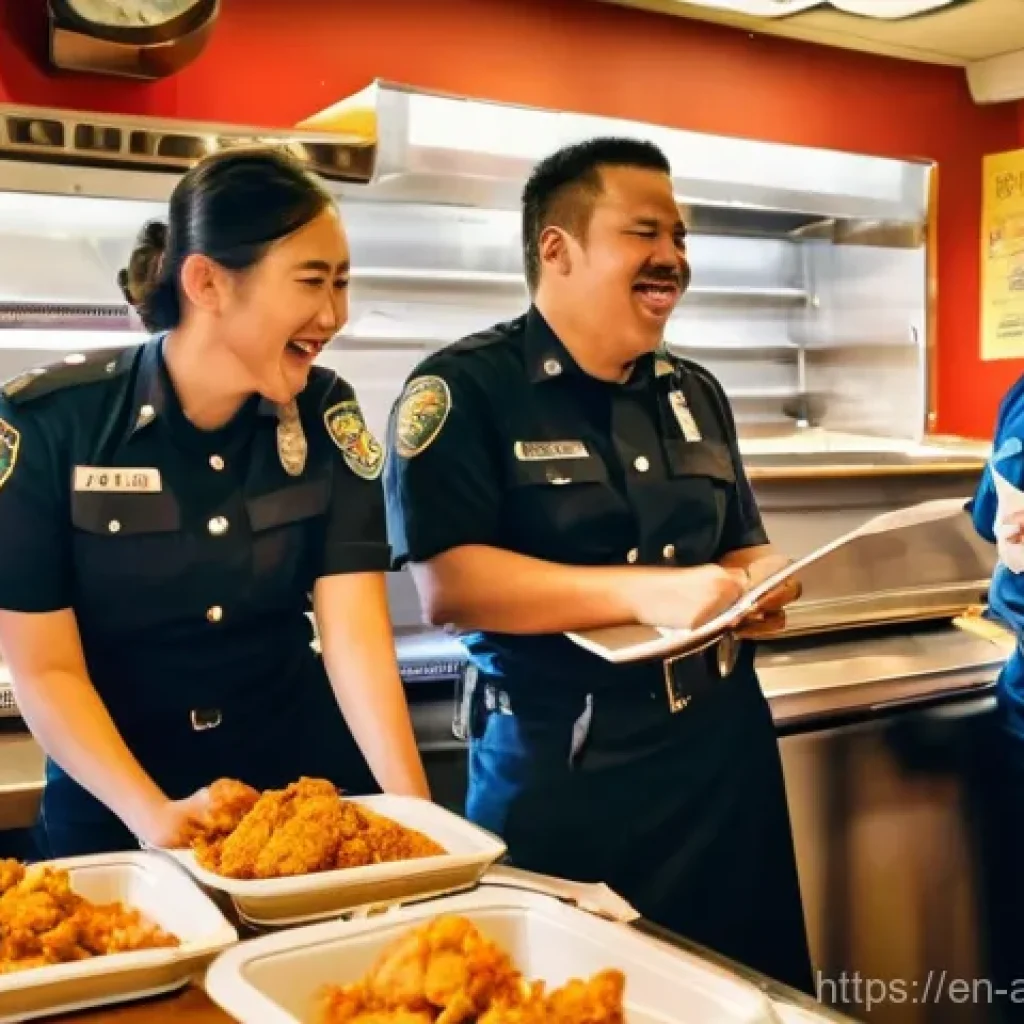
Think about it: who hasn’t had an embarrassing family dinner, a ridiculously awkward first date, or a bizarre workplace mishap? Asian comedies often take these everyday scenarios and amp them up to eleven, turning mundane moments into comedic gold. Whether it’s the frantic efforts of a group of undercover cops trying to run a fried chicken restaurant in South Korea’s “Extreme Job” or the chaotic family dynamics in some of Hong Kong’s New Year comedies, these films remind us that life, with all its stresses and imperfections, is often inherently funny. They find the humor in our shared struggles and turn them into something we can all chuckle about, together.
Visual Gags and Physical Comedy That Speak Volumes
Another fantastic element that really bridges any potential language gap is the masterful use of visual gags and physical comedy. Some of the most memorable scenes in these films rely entirely on expressive acting, slapstick, and perfectly timed physical humor. You don’t need to understand every line of dialogue when a character’s exaggerated facial expression or a perfectly choreographed pratfall tells you everything you need to know. It’s a testament to the skill of the actors and directors that these moments land so perfectly, eliciting genuine guffaws without a single translated word. This universal language of sight gags makes them instantly accessible and endlessly entertaining for a worldwide audience.
South Korean Cinema’s Clever Chuckles: Social Commentary with a Smile
Korean comedy films, in particular, have this incredible knack for blending side-splitting humor with sharp social commentary. It’s like they trick you into thinking you’re just having a good time, but then you realize they’ve also made you think about something deeper. I’ve always admired how Korean filmmakers manage to weave in poignant messages about class, family, or societal pressures without ever feeling preachy. They do it with such grace and wit, wrapping challenging themes in layers of comedic brilliance. It’s a delicate balance that few film industries achieve as consistently as South Korea.
“Extreme Job” and the Art of Undercover Absurdity
Take “Extreme Job,” for example, which literally became the highest-grossing Korean film of all time. The premise alone is brilliant: a team of narcotics detectives opens a fried chicken restaurant as a front, only for their chicken to become so delicious that it turns into a massive success, completely derailing their actual mission. The humor comes from their utter incompetence at police work contrasted with their accidental culinary genius, but underneath it all, there’s a commentary on the struggles of the working class and the unexpected paths to success. It’s an action-comedy that is pure fun, but its underlying message gives it a richness that keeps you thinking about it long after the credits roll.
Heartfelt Hilarity in Films Like “Miss Granny” and “Hello Ghost”
Beyond the action-comedies, South Korea also excels at heartfelt, character-driven comedies that often bring a tear to your eye even as you’re laughing. Films like “Miss Granny” tell a fantastical story of an elderly woman who magically reverts to her 20-year-old self, offering a hilarious yet touching exploration of youth, aging, and regret. Similarly, “Hello Ghost” follows a man who can see ghosts, who agree to leave him alone if he fulfills their last wishes, leading to a journey of self-discovery and unexpected family bonds. These movies are masters at emotional rollercoasters, proving that comedy doesn’t always have to be light and fluffy; it can be incredibly profound.
Hong Kong’s High-Flying Hilarity: Action, Satire, and Slapstick
When I think of Hong Kong comedy, my mind immediately jumps to the incredible energy, the lightning-fast pacing, and the unique blend of martial arts, slapstick, and often, biting satire. It’s a style that feels distinctly Hong Kong, a cinematic language developed by legends like Stephen Chow and Jackie Chan. These films aren’t just funny; they’re often visual spectacles that push the boundaries of what comedy can be, making you marvel at the choreography as much as you laugh at the gags. The sheer creativity and relentless pace keep you hooked from start to finish, and honestly, no one does it quite like them.
Stephen Chow: The King of “Mo Lei Tau” Comedy
You simply cannot talk about Hong Kong comedy without mentioning Stephen Chow. His “mo lei tau” (nonsense) style of comedy is legendary, blending absurdism, pop culture references, and incredible martial arts action into something truly unique. “Kung Fu Hustle” is a perfect example, a film that critics like Bill Murray have even called “the supreme achievement of the modern age in terms of comedy”. It’s a wild ride through a chaotic 1940s Shanghai slum where ordinary people turn out to be kung fu masters, all wrapped up in a story about a wannabe gangster trying to find his place. The visual inventiveness and over-the-top characters are just *chef’s kiss* perfection.
Jackie Chan’s Unbeatable Physicality
And then there’s Jackie Chan. Before Hollywood discovered him, he was already a massive star in Hong Kong, perfecting a brand of action-comedy that combined breathtaking stunts with hilarious physical gags. Films like “Project A” show off his unparalleled talent for integrating dangerous stunts into comedic sequences, making you gasp and laugh simultaneously. It’s a rare gift to be able to make audiences feel both awe and amusement in the same breath, and Jackie Chan truly mastered it. His films are a masterclass in how physical comedy can transcend language and connect with audiences purely through movement and spectacle.
The Quirky Charms of Japanese Comedy: Seriously Funny
Japanese comedy films, from what I’ve experienced, often march to the beat of their own drum, bringing a unique blend of deadpan humor, surreal situations, and often, a heartwarming eccentricity. It’s not always the loud, in-your-face kind of funny; sometimes it’s a slow burn, a quiet chuckle that builds into genuine mirth. I find myself constantly surprised by the unexpected turns and delightful oddities these films present. They really dig into character-driven humor and often explore social observations with a subtle, yet effective, comedic touch. It’s a style that definitely leaves an impression and proves that there are so many ways to be hilarious.
“Tampopo”: A Noodle Western with a Side of Giggles
One Japanese film that immediately comes to mind is “Tampopo,” which director Juzo Itami described as a “noodle western”. This film is an absolute riot, following a truck driver who helps a ramen shop owner perfect her craft. It’s an episodic journey filled with eccentric characters and hilarious vignettes that use food as a metaphor for love, sex, and life itself. The humor is quirky, sometimes absurd, and always delightful. It’s a movie that celebrates the joy of eating and the quirky beauty of human connection, all while delivering a constant stream of intelligent and offbeat humor.
Finding Humor in the Mundane: “It’s Tough Being a Man” (Tora-san)
Then there’s the legendary “Tora-san” series, “It’s Tough Being a Man,” which holds the Guinness World Record for the longest-running movie series with the same main actor. These films follow the incredibly unlucky, yet endearing, tramp Tora as he repeatedly falls in love, only for things to never quite work out. The humor often comes from his good intentions going awry, his awkward social interactions, and the gentle satire of everyday Japanese life. It’s a testament to the power of a well-developed, relatable character that a series could run for 50 installments and remain so beloved. I’ve personally found so much comfort and laughter in Tora-san’s misadventures, proving that sometimes, the simplest stories are the most enduring.
Why These Films Resonate Globally: More Than Just Laughs
The global success of Asian comedy films isn’t just a fluke; it’s a testament to their exceptional quality and their ability to tap into something truly universal. These films often offer a fresh perspective that audiences outside of Asia find captivating, breaking away from familiar Hollywood tropes. It’s not just about getting a quick laugh; it’s about experiencing rich storytelling, unique cultural insights, and characters that feel genuinely human. The creativity and diverse styles across different Asian countries mean there’s always something new and exciting to discover, keeping viewers engaged and eager for more. They’ve truly carved out a significant space in the international film landscape, and honestly, they totally deserve it.
A Taste of Different Cultures Through Laughter
For me, watching these films isn’t just entertainment; it’s also a fantastic way to experience different cultures in an enjoyable and accessible way. I love how they subtly introduce you to different customs, social norms, and ways of life, all through the lens of humor. Whether it’s the importance of family in Chinese comedies like “Hi, Mom” (which is one of the highest-grossing live-action comedies worldwide!), or the specific societal quirks explored in Korean or Japanese films, you get a delightful peek into another world. It enriches the viewing experience immensely, making the laughs even more meaningful.
Pushing Boundaries with Genre Blending
Asian comedy isn’t afraid to mix things up. You’ll find action-comedies, romantic-comedies, dramedies, and even horror-comedies. This genre-bending approach keeps the films fresh and exciting. They don’t just stick to a formula; they constantly innovate, creating unique narratives that often defy easy categorization. This willingness to experiment leads to truly original cinematic experiences that stand out in a crowded market. I mean, “The Good, The Bad, The Weird” from South Korea is essentially a Western, but it’s also packed with explosive action and hilarious moments. How cool is that?
| Film Title | Country of Origin | Key Elements of Humor | Global Appeal Factor |
|---|---|---|---|
| Kung Fu Hustle | Hong Kong/China | Slapstick, martial arts parody, surrealism | Spectacular visuals, universal underdog story |
| Extreme Job | South Korea | Situational irony, character-driven mishaps, action-comedy | Relatable police struggles, delicious food concept |
| Tampopo | Japan | Quirky characters, food-centric narratives, episodic | Celebration of food and human connection |
| Miss Granny | South Korea | Age reversal comedy, heartwarming drama | Emotional resonance, family themes, feel-good story |
| Hi, Mom (Ni Hao, Li Huan Ying) | China | Time travel, family bonds, emotional humor | Touching mother-daughter story, strong emotional core |
The Universal Appeal of Relatable Stories
What truly ties all these magnificent films together, regardless of their country of origin or specific comedic style, is their unwavering focus on relatable stories. I’ve often thought that the best humor comes from truth, from moments that echo our own lives or the lives of people we know. Asian comedy filmmakers are masters at this, crafting narratives that, despite their unique cultural backdrops, speak to common human experiences like love, family, ambition, failure, and the sheer absurdity of existence. They make you feel seen, understood, and a little less alone in your own daily struggles, all while making you snort-laugh at the screen. That connection? It’s priceless.
From Family Follies to Friendship Fun
Many Asian comedies really shine when exploring the dynamics of family and friendship. Who can’t relate to the chaos of an extended family gathering, the unspoken rivalries between siblings, or the unwavering loyalty of a best friend? These films often highlight the humor that springs from these close relationships. Whether it’s a group of friends navigating their twenties in the Korean film “Twenty” or the generational clashes in many Chinese family comedies, the core of the humor is rooted in the very human interactions we all experience. It’s a comforting and often hilarious reminder of what truly matters.
Laughing at Life’s Little Disasters
And let’s be honest, sometimes life just throws curveballs. We’ve all been there, right? Asian comedies are brilliant at showing us how to laugh in the face of adversity, how to find the humor in setbacks and misunderstandings. From characters trying to escape mounting debt to accidental kidnappings and mistaken identities, these films prove that even the most stressful situations can be fodder for fantastic comedy. It’s a therapeutic kind of laughter, a shared experience of acknowledging that life can be messy, but it’s also incredibly funny if you just know where to look. I personally find immense joy in watching characters navigate their hilarious predicaments, often giving me a much-needed dose of perspective on my own minor woes.
The Undeniable Global Impact of Asian Comedic Voices
The influence of Asian comedy cinema on the global stage is just undeniable, and it’s growing exponentially. What started as local hits are now capturing hearts and breaking box office records across continents. This isn’t just about making money, though that’s certainly a part of it; it’s about cultural exchange, about new voices being heard, and about expanding our collective understanding of what humor can be. I’ve watched these films evolve from being “niche” to becoming mainstream sensations, proving that great storytelling and genuinely funny performances will always find an audience, no matter where they originate. The world is finally catching on to what I’ve known for years: Asian comedy is a force to be reckoned with!
Box Office Bonanzas and Critical Acclaim
We’re talking serious numbers here! Films like China’s “Hi, Mom” not only topped the Chinese box office but became the highest-grossing live-action comedy worldwide, earning over $841 million. South Korea’s “Extreme Job” also made history as the highest-grossing Korean film of all time in terms of gross revenue. These aren’t just local successes; they’re global phenomena, showing that these stories and this style of humor are captivating audiences on a massive scale. Beyond the money, many of these films also garner significant critical acclaim, earning awards and recognition at international film festivals, cementing their status as top-tier cinema.
Inspiring New Generations of Storytellers
The success isn’t just in the numbers; it’s also in the inspiration these films provide. When I see an Asian film, especially a comedy, resonate so strongly with international audiences, it makes me incredibly hopeful for the future of cinema. It encourages more diverse storytelling, more unique perspectives, and more filmmakers from underrepresented backgrounds to share their voices. It’s creating a ripple effect, showing that there’s a huge appetite for content that reflects the rich tapestry of human experience from all corners of the globe. And for someone like me, who believes in the power of storytelling to connect us all, that’s truly the greatest win of all.
Wrapping Things Up
So, there you have it, folks! My deep dive into the absolutely brilliant world of Asian comedy films. I truly hope this post has inspired you to explore these cinematic gems and discover the incredible joy they bring. From the witty social commentaries of South Korea to the breathtaking action-comedies of Hong Kong and the quirky charm of Japan, there’s a whole universe of laughter waiting for you. Trust me, once you start, you’ll wonder how you ever lived without these films in your life. They truly offer something special, a unique blend of humor, heart, and cultural insight that’s simply unparalleled.
Handy Tips for Your Next Laugh-Out-Loud Session
Here are a few pointers I’ve picked up along my journey to maximize your Asian comedy film experience:
1. Don’t be afraid of subtitles! Seriously, some of the best performances and most brilliant comedic timing can only be fully appreciated in their original language. You’ll get used to reading them super quickly, and it’s a small price to pay for genuine belly laughs. Plus, it’s a fantastic way to subtly pick up new cultural nuances!
2. Explore different platforms. Services like Netflix, Viki, and Amazon Prime Video have surprisingly robust collections of Asian films, often categorizing them well. Don’t just stick to the biggest titles; sometimes the hidden gems are found by scrolling through less-known sections. Keep an eye out for curated lists or recommendations from other fans – they often lead to amazing discoveries.
3. Go beyond the obvious. While films from South Korea, Japan, and Hong Kong are incredibly popular, don’t overlook comedies from other regions like mainland China, Taiwan, or even Southeast Asian countries. Each offers its own unique flavor of humor, and you might just find your new favorite director or star in an unexpected place. The diversity is truly astounding!
4. Pay attention to directors and actors. Once you find a film you love, take a moment to look up the director or the main cast. Chances are, they have other fantastic comedic works that you’ll also enjoy. For example, if you love Stephen Chow, dive into his earlier films; if you’re a fan of Korean dramas, many of those stars also feature in hilarious movies.
5. Embrace the cultural differences. Part of the magic of Asian comedy is experiencing humor that sometimes stems from different social norms or historical contexts. Instead of trying to directly compare it to Western comedy, approach it with an open mind. You’ll find that many comedic situations are universally understood, and the specific cultural packaging only adds to the richness and originality of the humor.
Key Takeaways from Our Comedy Journey
To sum things up, Asian comedy films are so much more than just a source of fleeting entertainment. They’re a vibrant tapestry of human experience, offering universal laughter through relatable stories, ingenious physical comedy, and often, clever social commentary. These films break down cultural barriers, proving that humor truly is a global language. By diving into this genre, you’re not just finding a new way to laugh; you’re opening yourself up to diverse perspectives, enriching your understanding of the world, and connecting with brilliant storytelling that resonates deeply. They’ve earned their global success by being genuinely, authentically hilarious and incredibly human.
Frequently Asked Questions (FAQ) 📖
Q: What makes
A: sian comedy films so uniquely hilarious and appealing to a global audience? A1: Oh, this is such a fantastic question! Honestly, what I’ve discovered through countless movie nights is that Asian comedy films often bring a really fresh, often unexpected, blend of humor.
It’s not just about the easy laughs; they frequently weave in brilliant social commentary, heartfelt drama, and even some fantastical elements that you just don’t typically see in Western comedies.
I remember watching a Korean film where the slapstick was absolutely sidesplitting, but then it would pivot to this incredibly poignant moment about family or societal pressure, and it just hit differently.
The humor can range from outrageously physical comedy, like the classic Hong Kong action-comedies, to incredibly witty dialogue and character-driven situational humor, especially in Japanese and South Korean films.
What truly makes them global crowd-pleasers, I believe, is their ability to tap into universal human experiences – love, family, ambition, embarrassment – but tell those stories with a unique cultural lens that just makes everything feel new and exciting.
It’s like discovering a new flavor you never knew you needed in your life!
Q: I’m new to
A: sian comedy! Where should I even start, and what are some absolute must-sees? A2: Welcome to the club!
You’re in for a treat! If you’re just dipping your toes in, I always tell people to start with some of the widely acclaimed gems. For a taste of South Korean genius, you absolutely have to check out “Extreme Job” – it’s a brilliant blend of action and comedy about a team of narcotics detectives who go undercover running a fried chicken restaurant.
Trust me, the premise alone is golden, and the execution is flawless! If you’re leaning towards something from Japan, “Tampopo” is a legendary “noodle western” that’s quirky, food-focused, and utterly charming.
Or, for a more modern Japanese feel, “One Cut of the Dead” is an ingenious, low-budget zombie comedy that’s a masterclass in storytelling. And for a dose of Hong Kong’s iconic slapstick and martial arts comedy, anything with Stephen Chow, like “Kung Fu Hustle” or “Shaolin Soccer,” is a non-negotiable must-watch!
These films aren’t just funny; they’re cultural experiences that have genuinely brought me so much joy. You can usually find a good selection of these on streaming platforms like Netflix, Hulu, or even specialized Asian cinema platforms like Viki or HiDive, depending on your region.
Q: Are there different types of humor or styles I should expect from various
A: sian countries? A3: Absolutely, and that’s one of the coolest parts about exploring this genre! Just like you wouldn’t expect British humor to be identical to American humor, each Asian country brings its own flavor to comedy.
For example, South Korean comedies often excel at sharp social satire, dark humor, and brilliantly executed situational comedy that can make you think as much as it makes you laugh – “Parasite” even has strong comedic elements despite its genre.
Japanese comedy often leans into the absurd, the surreal, and has a wonderful knack for quirky characters and gentle, observational humor; they’re masters of the awkward, endearing laugh.
Then you have Hong Kong, which is famous for its high-energy, often physical comedy, blending slapstick with action sequences, especially in the golden era of martial arts comedies.
Mainland Chinese comedy can range from broad, family-friendly humor to more subtle, character-driven narratives. And don’t even get me started on the incredible diversity within Southeast Asian cinema, like the often heartfelt and community-focused comedies from the Philippines or the vibrant, often musical comedies from India (Bollywood!).
It’s a vast tapestry of comedic styles, and discovering the nuances is part of the fun. I’ve found that keeping an open mind to these different styles truly enriches the viewing experience, allowing you to appreciate the unique cultural perspectives on what makes us laugh.





Contents
Unveiling the Hidden World of Thai Political Comedy