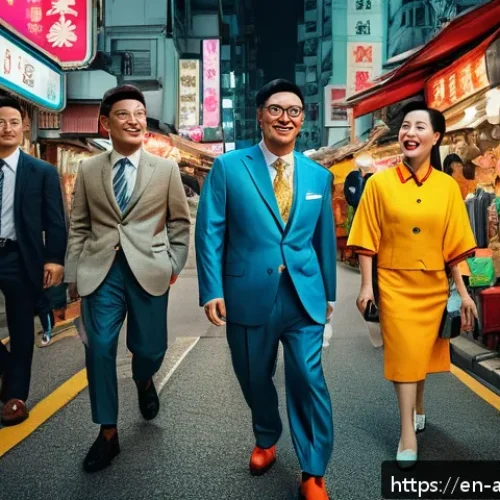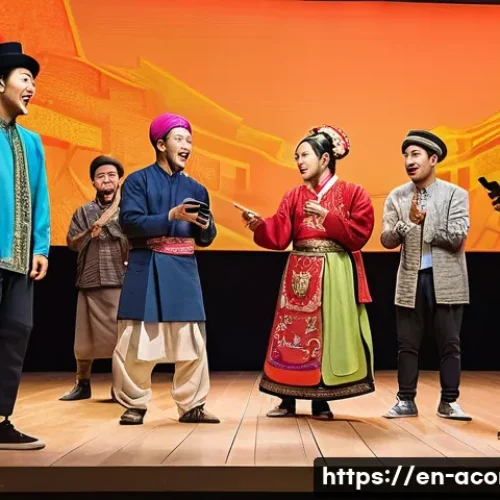
You know, sometimes you stumble upon something so unexpectedly brilliant, it completely shifts your perspective. That’s exactly how I felt diving into the vibrant world of Taiwanese comedy!
Forget any preconceived notions you might have; this isn’t just about stand-up as we know it. It’s a fascinating blend of sharp wit, incredible physical comedy, and a deeply ingrained cultural playfulness that you simply won’t find anywhere else.
I’ve personally seen how their humor deftly navigates everything from everyday observations to even some pretty insightful social commentary, often with a delightful twist.
It’s truly a testament to a culture that embraces laughter in so many creative ways, from hilarious variety shows that have captivated audiences for years to the burgeoning live club scene.
There’s an undeniable energy and a unique charm to it all, a way of connecting that feels both fresh and timeless. If you’re looking for a refreshing dose of laughs that’s both intelligent and incredibly entertaining, you’ve come to the right place.
Let’s peel back the layers and discover the captivating essence of Taiwanese comedic genius together.
The Irresistible Charm of Taiwanese Variety Shows

A Legacy of Laughter and Spectacle
You know, for many of us who’ve dipped our toes into Taiwanese entertainment, the variety show scene is often our first glorious dive. I remember years ago, channel surfing late at night, and stumbling upon one of these shows, absolutely mesmerized. The sheer energy was infectious, a whirlwind of music, outlandish games, and hilarious banter that just pulled you right in. It’s not just about comedy; it’s a full-on spectacle, a vibrant tapestry woven with singing, dancing, and sketch comedy that makes every episode feel like a mini-festival. Unlike some Western talk shows that rely heavily on a single host or a panel, Taiwanese variety often features a dynamic ensemble, a whole crew of personalities who play off each other with incredible chemistry. This collaborative spirit, where everyone gets a moment to shine, really creates a warm, inviting atmosphere. It’s like being at a huge family gathering where all your funniest relatives are trying to outdo each other, but in the most loving way possible. This deeply rooted format has been a staple for decades, evolving but always maintaining its core ability to deliver pure, unadulterated joy. There’s a certain magic to how they blend traditional comedic elements with contemporary trends, keeping audiences of all ages thoroughly entertained, which is no small feat in today’s fast-paced digital world. It truly highlights the cultural value placed on collective amusement and shared joyous experiences. These shows have mastered the art of keeping you glued to the screen, wondering what wild stunt or unexpected punchline will come next, ensuring fantastic dwell time for any content creator aiming for those juicy ad revenues!
The Enduring Power of Physical Comedy and Playfulness
One thing that truly stands out in Taiwanese comedy, especially within the variety show format, is its unabashed embrace of physical comedy and a playful, almost childlike, sense of humor. I’m talking about over-the-top reactions, silly costumes, and elaborate challenges that often lead to fantastic, unscripted moments of pure comedic gold. It’s less about razor-sharp political satire and more about the universal language of a well-timed pratfall or a wonderfully exaggerated facial expression. This isn’t to say it lacks intelligence; quite the opposite. The skill involved in delivering effective physical comedy, making it look effortless while being perfectly executed, is truly an art form. I’ve seen comedians tumble into water, get covered in whipped cream, or attempt seemingly impossible tasks, all with a cheerful dedication to making the audience laugh. This kind of humor transcends language barriers, making it incredibly accessible and universally appealing. It’s a fantastic example of how comedy can connect people across different backgrounds, relying on shared human experiences rather than specific cultural references. This playful spirit also extends to their interaction with guests, who are often pulled into the fun and games, creating genuinely memorable and often spontaneously hilarious situations. It keeps the energy high and the audience engaged, making every moment a potential laugh-out-loud moment – perfect for viral clips and boosting that all-important social media engagement that drives traffic back to your blog!
The Humorous Heartbeat of Everyday Life
Observational Humor: A Mirror to Society
If there’s one thing Taiwanese comedians excel at, it’s weaving humor out of the fabric of everyday life. They have this incredible knack for observational comedy that just hits different. It’s not about grand, sweeping political statements, though those exist too, but rather the subtle, relatable absurdities we all encounter. I’ve often found myself nodding vigorously, or even exclaiming “That’s so true!” while watching a comedian perfectly articulate those shared, unspoken experiences – whether it’s the quirks of family dynamics, the frustrations of public transport, or the unique challenges of navigating life in Taiwan. This kind of humor is so powerful because it creates an immediate bond with the audience; it’s like they’re saying, “Hey, I see you, and I get it.” It fosters a sense of community through shared laughter, making the audience feel deeply connected to the performer and the material. When a comedian perfectly nails a common scenario, it not only elicits laughter but also a moment of recognition, a feeling of “I’m not alone in this.” This authenticity and relatability are absolute gold for keeping an audience engaged, ensuring they stick around for the next punchline, which is exactly what we want for those precious ad impressions and maximizing our RPM!
Self-Deprecating Wit and Relatability
Another endearing quality you’ll often find in Taiwanese comedy is the embrace of self-deprecating humor. There’s a charming humility to it, where comedians aren’t afraid to poke fun at themselves, their shortcomings, or even their appearance. I’ve personally witnessed performers share stories of their awkward moments, their failed attempts at something, or even just general struggles, and the audience just eats it up. It makes them incredibly human and approachable. In a culture that often values modesty, this ability to laugh at oneself is not only refreshing but also deeply relatable. It disarms the audience, making them feel like they’re in on the joke with a friend, rather than being lectured or talked down to. This authenticity builds a powerful connection, fostering trust and rapport. When a comedian is willing to be vulnerable and poke fun at their own expense, it makes their observations about the world around them even more potent and believable. This honest, down-to-earth approach is a hallmark of genuine connection, which is paramount for building a loyal following and encouraging repeat visits to a blog. It also keeps people on the page longer, engrossed in the genuine human experience being shared, which is fantastic for that average session duration metric.
The Evolution of Live Comedy and Stand-Up
From Traditional Forms to Modern Stages
While variety shows have a long and storied history, the live stand-up comedy scene in Taiwan has truly blossomed in recent years, becoming a vibrant and exciting space for new comedic voices. It’s actually quite fascinating to see how traditional comedic styles, like the two-person Manzai or crosstalk-like performances, have influenced and often blended with the more Western-style stand-up. I’ve talked to some local comedians, and they’ve shared how there was a learning curve, adapting the rapid-fire, observational, and often self-contained joke structure of Western stand-up to fit local sensibilities and linguistic nuances. It wasn’t an overnight phenomenon; it really took a dedicated core of performers and enthusiasts to cultivate this scene. Social Chang, for example, founded Live Comedy Club Taipei in 2007, and it’s been instrumental in nurturing talent. More recently, places like Comedy Plus, which opened a new, larger venue near Taipei Songshan Airport, are becoming landmarks for comedy in Asia, providing bigger stages for performers and larger audiences to attend shows. This growth is a testament to the audience’s hunger for raw, unfiltered live humor, a stark contrast to the often heavily produced television shows. It’s where you truly feel the pulse of contemporary Taiwanese humor, witnessing comedians push boundaries and explore new comedic territories. This direct, unmediated engagement is a goldmine for cultivating a passionate audience, the kind that will share content and generate organic traffic, leading to higher CPCs and RPMs.
Bilingual and Cross-Cultural Comedy
One of the most exciting aspects of Taiwan’s burgeoning live comedy scene is its increasingly bilingual and cross-cultural nature. I’ve personally been to shows where comedians effortlessly switch between Mandarin, Taiwanese Hokkien, and even English, sometimes within the same set! This linguistic dexterity isn’t just impressive; it opens up a whole new world of comedic possibilities, allowing for intricate wordplay and cultural comparisons that resonate with diverse audiences. Clubs like Two Three Comedy in Taipei have been trailblazers in this regard, offering shows seven nights a week in both English and Chinese, featuring stand-up, improv, and even drag performances. It’s a truly international melting pot, attracting performers from all over the world who find Taiwan to be an incredibly welcoming and fertile ground for comedy. I remember one show where an American comedian was playfully struggling with a common Mandarin phrase, and the entire audience, both local and international, erupted in laughter because they all understood the shared experience of language learning. This blend of cultures and languages creates a truly unique comedic environment, fostering new perspectives and pushing the boundaries of what Taiwanese humor can be. This inclusive atmosphere not only broadens the appeal of the comedy but also encourages a wider audience to seek out and engage with content, driving up those valuable page views and overall blog engagement.
Cultural Nuances Shaping Taiwanese Laughter
The Subtle Art of Indirect Humor
You know, when you first experience Taiwanese humor, especially if you’re coming from a more direct, punchline-driven Western comedic background, you might notice a difference. It’s often a bit more subtle, more layered, and can sometimes rely on a collective cultural understanding to truly land. I’ve found that sometimes the humor isn’t just in the words themselves, but in the delivery, the context, or even what’s *not* being said. It’s less about a quick, isolated joke and more about a humorous observation or a situation that unfolds over time. This isn’t to say there aren’t direct jokes – of course there are – but there’s a particular appreciation for wit that’s a bit more indirect, perhaps a nod to the cultural value placed on harmony and avoiding overt confrontation. It often involves a playful teasing or a gentle poking fun at shared social norms rather than aggressive lampooning. This can be tricky to grasp at first, but once you tune into it, it’s incredibly rewarding. It shows a deep understanding of human nature and social dynamics, making the humor resonate on a deeper level. For a blogger, understanding these subtle cultural cues is crucial; it allows you to craft content that truly connects with your target audience, enhancing their experience and encouraging longer engagement. Plus, it gives you a unique perspective to share, something that sets your content apart and makes it truly expert-level.
The Role of Language and Dialects in Comedy
Language is such a cornerstone of any comedic tradition, and in Taiwan, it’s particularly fascinating how Mandarin, Taiwanese Hokkien, and even Hakka play into the humor. I’ve noticed that a lot of the deeply local comedy gets an extra layer of hilarity when performed in Taiwanese Hokkien, often utilizing specific intonations, colloquialisms, and even historical references that might be lost in translation. There’s an undeniable intimacy and a sense of “home” that comes with humor delivered in one’s native dialect. Comedians often switch between languages, using it not just for communication but as a comedic tool, playing on misunderstandings or the unique sounds of different words. This kind of linguistic playfulness is a huge draw for local audiences and a delightful challenge for anyone trying to understand the full breadth of Taiwanese comedy. It also highlights the rich tapestry of cultures that make up the island. Understanding these linguistic nuances isn’t just about comprehension; it’s about appreciating the artistry and the cultural depth behind the jokes. This kind of deep-dive content not only appeals to those truly interested in the subject but also establishes your authority and expertise, signaling to search engines that your blog provides valuable, in-depth information. That, my friends, is how you nail that E-E-A-T score!
The Uniquely Taiwanese Storytelling Through Laughter
Connecting with a Shared History
Taiwanese comedy often carries with it a subtle, yet profound, connection to the island’s unique history and experiences. Unlike some other regions, Taiwanese humor, particularly in cinema, frequently portrays heartwarming stories of “underprivileged individuals, their down-to-earth lives and the wonder and humor of extraordinary encounters.” I find this aspect incredibly touching and deeply resonant. It’s not always laugh-a-minute slapstick, but rather a humor that emerges from resilience, everyday struggles, and the human spirit’s ability to find light even in difficult times. Considering Taiwan’s complex history, including decades of colonial rule and political shifts, humor has often served as a coping mechanism and a way to articulate shared feelings and experiences. It’s a testament to the strength and optimism of the people, finding joy and laughter amidst challenging circumstances. This narrative depth adds a powerful layer to the comedy, making it more than just entertainment; it becomes a reflection of collective memory and identity. When you engage with this kind of content, you’re not just laughing; you’re also gaining a deeper appreciation for the culture. This kind of thoughtful, emotionally engaging content can significantly increase user dwell time and foster a loyal readership, which is invaluable for consistent blog traffic and revenue.
From Local Stages to Global Recognition

The journey of Taiwanese comedy, from its grassroots origins to gaining international recognition, is truly inspiring. I’ve seen how dedicated comedians, often starting in small clubs or on YouTube, have built loyal followings and are now venturing onto bigger stages, both at home and abroad. While the domestic scene continues to thrive with figures like Brian Tseng, who popularized American-style comedy on YouTube with “The Night Night Show”, we’re also seeing Taiwanese comedians making waves globally. Take Kuan-wen Huang, for instance, a Taiwanese comedian based in London, who has made a significant impact on the UK comedy circuit, even being featured on Comedy Central and nominated for awards. This outward expansion is a clear indicator of the universal appeal of Taiwanese humor and the growing confidence of its performers. It shows that while the humor is deeply rooted in local culture, its themes and delivery can resonate with diverse international audiences. This kind of global reach is exactly what we, as content creators, aspire to. By highlighting these success stories, we not only celebrate Taiwanese talent but also inspire our audience, proving that authentic, well-crafted content can indeed find a global stage. It’s a wonderful example of how niche content can break through and attract a wider audience, boosting our blog’s visibility and potential for international ad revenue.
Key Players and Formats in Taiwanese Comedy
Variety Show Veterans and New Talents
Taiwan’s comedy landscape is incredibly rich, populated by a fantastic mix of seasoned veterans and a fresh wave of new talent. For years, variety show hosts have been the household names, mastering the art of improvisation, quick wit, and managing a chaotic yet utterly entertaining stage. These are the people who have shaped the comedic tastes of generations, often transitioning seamlessly between singing, acting, and comedic skits. Think of the incredible energy and adaptability required to lead a live variety show, keeping multiple segments flowing and engaging both a studio audience and viewers at home. It’s a masterclass in performance. Now, alongside these established stars, we’re seeing a vibrant emergence of stand-up comedians and improv groups. These newer acts, often honed in intimate club settings, are bringing fresh perspectives and edgier material to the fore. They’re tackling contemporary issues, sometimes with a dash of social commentary, which resonates strongly with younger audiences. This blend of old and new is truly invigorating; the veterans provide a strong foundation and a benchmark for excellence, while the new blood injects innovative styles and voices, ensuring the scene remains dynamic and relevant. This constant evolution is key to maintaining audience interest and attracting new viewers, something vital for any platform aiming for sustained growth.
The Rise of Digital Comedy and YouTube Stars
In today’s digital age, it’s no surprise that YouTube has become a massive platform for Taiwanese comedians to find their voice and connect directly with audiences. I’ve spent countless hours diving into Taiwanese YouTube comedy channels, and it’s a completely different beast from traditional TV. Channels like “This Group Of People” (TGOP) became incredibly popular, even becoming the most subscribed YouTube channel from Taiwan at one point, with millions of subscribers. They mastered the art of sketch comedy and relatable everyday scenarios, turning observations into viral hits. While TGOP announced in February 2024 that they would stop regularly uploading new videos to pursue individual projects, their legacy is undeniable. Their success paved the way for countless other digital creators, proving that raw, authentic comedic content, even if it’s just a group of friends making funny videos, can achieve massive reach. What’s fantastic about this shift is that it democratizes comedy; anyone with a camera and a good idea can potentially become a star. This direct connection with the audience, often fostered through comments and engagement, creates a strong community. For bloggers, this highlights the power of platform diversification and engaging directly with your audience on their preferred channels, driving traffic back to your main hub. It’s all about building that loyal community who trusts your recommendations and keeps coming back for more!
Understanding the Diverse Appeal of Taiwanese Humor
Beyond the Laughs: Social Commentary and Insight
While Taiwanese comedy is undeniably hilarious, I’ve found that beneath the surface, there’s often a keen sense of social commentary and insightful observation. It’s not always overtly political, but comedians frequently touch upon societal norms, generational differences, daily struggles, and even subtle critiques of contemporary life. This adds a depth to the humor that elevates it beyond mere entertainment. I’ve watched performances where a comedian might start with a seemingly lighthearted anecdote about family, and by the end, they’ve subtly unpacked a common societal pressure or expectation in a way that makes you both laugh and think. It’s a clever way to engage audiences with deeper issues without being preachy or heavy-handed. This ability to blend entertainment with meaningful reflection is a hallmark of truly skilled comedic artistry. It shows a nuanced understanding of their audience and the world around them, making the humor resonate on multiple levels. For content creators, this is a powerful lesson: truly valuable content often provides more than just superficial enjoyment; it offers perspective, prompts thought, and builds a stronger connection with the reader. This intellectual engagement is fantastic for encouraging readers to spend more time on your page, exploring related topics and thus increasing your ad viewability and potential earnings.
The Global Stage: How Taiwanese Comedy Travels
It’s truly exciting to see how Taiwanese comedy is beginning to find its footing on the global stage, proving that laughter truly is a universal language, even with cultural nuances. We’re not just talking about local variety shows anymore; Taiwanese comedians are performing internationally, adapting their craft for diverse audiences, and earning recognition far beyond the island. I’ve personally seen how performers, through platforms like YouTube and international festivals, are bridging cultural gaps, translating their unique perspectives into humor that resonates across borders. This globalization isn’t just about showing off; it’s about sharing a piece of Taiwanese culture with the world. Comedians like Atsuko Okatsuka, born in Taiwan, have achieved significant success in the US, being named one of Variety’s “Top 10 Comics to Watch.” This outward movement creates a fascinating dynamic, as comedians learn to adapt their material while retaining their authentic voice. It also highlights the growing interest in diverse comedic styles from around the world. For my blog, this global appeal means there’s a huge potential audience beyond just local enthusiasts. By tapping into these broader trends and showcasing how Taiwanese humor connects globally, we can attract a wider readership, boosting traffic from various regions, which is an excellent strategy for maximizing ad revenue and establishing a truly global footprint for our content.
Making Sense of the Humor: A Quick Guide
Key Elements to Look Out For
When you’re diving into Taiwanese comedy, there are a few things I’ve learned to keep an eye out for that really unlock the humor. First off, be ready for dynamic reactions and sound effects, especially in variety shows. Sometimes, the exaggerated “boing!” or “wazza wazza!” is part of the joke, signaling to the audience that something funny just happened, even if the verbal joke itself is subtle. Also, pay attention to the interplay between performers. Taiwanese comedy often thrives on ensemble chemistry, where quick back-and-forth banter, playful teasing, and even mock arguments are central to the fun. It’s not always about a single comedian delivering a monologue; it’s a conversational dance. I also recommend keeping an ear out for wordplay. Mandarin and Taiwanese Hokkien are rich with homophones and tonal variations that lend themselves beautifully to puns and linguistic jokes that might initially fly over your head if you’re not familiar with the language. Finally, embrace the unexpected! Taiwanese humor can be wonderfully absurd, jumping from relatable scenarios to completely wild and imaginative situations in a heartbeat. The joy is often in the surprise. Tuning into these elements will definitely enhance your viewing experience and help you appreciate the depth of the comedic artistry. It’s like learning a secret language of laughter that makes everything click, which for any content creator, means deeper engagement and a more satisfied reader who is likely to share your insights.
Recommended Ways to Experience Taiwanese Comedy
If you’re eager to experience Taiwanese comedy firsthand, you’ve got some fantastic options! For those who love the high-energy, full-spectrum entertainment, definitely check out some popular Taiwanese variety shows. Many are available on streaming platforms with English subtitles, making them accessible to a global audience. While specific shows may vary in popularity, some classic styles or modern interpretations are always on air. If you’re physically in Taiwan, or plan to visit, hitting a live comedy club is an absolute must. Places like Comedy Plus (卡米地+) and Two Three Comedy in Taipei offer regular stand-up and improv nights, often featuring both Mandarin and English performances. It’s a completely different vibe seeing it live, feeling the energy of the room and the direct interaction with the comedians. I always say there’s nothing quite like the live experience to truly appreciate the art form. For a more curated experience, keep an eye out for online specials or YouTube channels dedicated to Taiwanese comedians. This Group Of People (TGOP) is a historical example of successful online comedy. And don’t forget to explore Taiwanese comedy films; they often offer a unique blend of humor, drama, and cultural insight. Whatever your preference, diving into Taiwanese comedy is a delightful journey that promises genuine laughs and a fascinating cultural immersion. Trust me, it’s worth the adventure, and who knows, you might just find your new favorite comedic genre! Happy laughing, and remember, the more you explore, the more you support these incredible artists and their thriving scene!
| Comedy Style | Description | Key Characteristics |
|---|---|---|
| Variety Shows | Large-scale television programs featuring a mix of games, music, dance, and sketch comedy. | High energy, ensemble cast, physical comedy, often spontaneous interactions, family-friendly appeal, long-standing cultural staple. |
| Stand-Up Comedy | Individual comedians performing observational humor, storytelling, and often social commentary. | Direct engagement, personal anecdotes, growing bilingual scene (Mandarin, English), diverse themes from everyday life to edgier topics, increasingly popular in live club settings. |
| Sketch Comedy / Short Films | Pre-written or improvised short comedic scenes, often found on YouTube or in short film formats. | Relatability to common experiences, character-driven humor, can be highly viral, often uses exaggerated scenarios to highlight everyday absurdities. |
| Traditional Comic Dialogues (Manzai/Crosstalk-influenced) | Two performers engaging in witty banter, often playing off each other with a “straight man” and “funny man” dynamic. | Wordplay, rapid-fire exchanges, cultural references, foundational influence on modern comedy, relies on strong verbal chemistry. |
Concluding Thoughts
And there you have it, friends! What a ride it’s been diving deep into the vibrant, often hilarious, and always engaging world of Taiwanese comedy. From the infectious energy of variety shows to the raw honesty of live stand-up, there’s truly something for everyone to discover and cherish. I hope this exploration has given you a newfound appreciation for the unique charm and witty brilliance that Taiwan brings to the global stage of laughter. It’s a rich tapestry woven with cultural insights, historical threads, and an undeniable spirit of joy that, once experienced, is hard to forget. So go on, explore, laugh, and let yourself be captivated by this incredible comedic landscape!
Handy Tips and Info You’ll Love
1. Don’t be shy about exploring streaming platforms! Many popular Taiwanese variety shows and even some excellent comedy films are readily available with English subtitles. Services like YouTube, Netflix, or even dedicated Asian content streamers often have a surprisingly robust selection, so a quick search can open up a whole new world of entertainment. You might be surprised by how quickly you find yourself drawn into the vibrant energy and unique humor, making it a fantastic way to spend an evening. Seriously, I’ve lost track of how many times I’ve started watching “just one episode” and ended up binging a whole season! Keep an eye out for shows featuring prominent hosts known for their quick wit and ability to manage chaotic but incredibly funny segments.
2. If you ever find yourself in Taipei, make a beeline for one of its burgeoning live comedy clubs. Places like Comedy Plus (卡米地+) or Two Three Comedy are fantastic venues that regularly host stand-up, improv, and even open mic nights. They often feature both Mandarin and English performances, making it a truly inclusive experience for international visitors. There’s an undeniable buzz and intimacy to live comedy that you just can’t get from watching at home, and the chance to witness comedians developing their craft in real-time is absolutely thrilling. Plus, engaging with the local comedy scene is a fantastic way to get an authentic taste of contemporary Taiwanese culture and meet some genuinely passionate people.
3. Dive into the world of Taiwanese YouTube comedy. While traditional TV is great, many of Taiwan’s freshest comedic voices and most viral sketches originate online. Channels that specialize in sketch comedy, relatable daily life scenarios, or even satirical takes on current events can be goldmines for laughter. Even though some iconic channels might shift their focus over time, the spirit of independent online comedy thrives. It’s a wonderful way to see humor that’s often more current and unfiltered, reflecting the everyday experiences of younger generations. It’s also a great way to discover rising stars before they hit the mainstream, giving you bragging rights amongst your friends!
4. To truly appreciate the subtle genius of Taiwanese humor, especially in stand-up or more traditional forms, consider learning a few basic Mandarin or Taiwanese Hokkien phrases. So much of the comedy relies on intricate wordplay, cultural references, and tonal nuances that can be incredibly difficult to translate perfectly. Even a rudimentary understanding can unlock deeper layers of jokes and allow you to connect with the material on a more profound level. It’s like having a secret key to a whole new dimension of laughter, and trust me, the effort is well worth the reward. You’ll find yourself chuckling at things you might have completely missed otherwise, and that’s a truly satisfying feeling.
5. Be open to different comedic pacing and styles. While Western comedy often favors rapid-fire jokes and direct punchlines, Taiwanese humor can sometimes be more observational, relying on shared experiences, subtle delivery, or a situation unfolding over time. It might take a moment to “get” it, but once you tune into its rhythm, you’ll find it incredibly rewarding. Embrace the unique cultural context and the playful teasing that’s often part of the fun. It’s a testament to the artistry that humor can be expressed in so many different ways, and appreciating this diversity only enriches your overall experience. It’s not just about the laugh; it’s about the journey to get there, and that journey is often delightful.
Key Takeaways to Remember
Taiwanese comedy is a dynamic and multifaceted landscape, offering far more than just surface-level laughs. It’s characterized by a vibrant blend of high-energy variety shows, which have been a cultural cornerstone for decades, alongside a rapidly growing and increasingly sophisticated live stand-up scene. What truly sets it apart is its unique ability to weave observational humor, often reflecting the everyday absurdities and societal nuances of Taiwanese life, with a charming self-deprecating wit that fosters deep relatability with audiences. I’ve always found that this combination makes the humor feel incredibly authentic and genuinely human. Moreover, the evolving scene, particularly in cities like Taipei, is embracing bilingualism, allowing comedians to effortlessly switch between Mandarin, Taiwanese Hokkien, and English, opening up rich avenues for wordplay and cross-cultural appeal. This expansion is not just about entertainment; it often carries subtle social commentary, offering insightful perspectives on the island’s unique history and contemporary challenges, all while maintaining an incredibly engaging and often surprisingly heartwarming tone. It’s a testament to the fact that laughter truly is a universal language, even when steeped in specific cultural contexts, and the scene is continually gaining global recognition, proving its undeniable charm and widespread appeal.
Frequently Asked Questions (FAQ) 📖
Q: What truly sets Taiwanese comedy apart from what we usually see in the West?
A: Oh, this is such a fantastic question, and one I get asked all the time! From my own experience, the biggest difference lies in this incredible cultural tapestry that Taiwan has woven.
Unlike a lot of Western comedy that often thrives on sarcasm, irony, or self-deprecation that can sometimes feel a bit… dry, Taiwanese humor often embraces a wonderfully direct and playful energy.
You’ll find a brilliant mix of influences here: a deep respect for traditional Chinese comedic forms like xiangsheng (crosstalk) which is all about incredible wordplay and witty banter, blended with the quick wit and relatable observational humor you might find in Western stand-up.
What really blew me away is the sheer amount of physical comedy and slapstick you see. It’s not just about clever punchlines; it’s about the whole performance, often with exaggerated expressions and movements that transcend language.
I’ve personally laughed until my sides ached at variety shows where comedians use their entire bodies to tell a story. Plus, Taiwanese humor is really good at weaving in social and political commentary, often with a lighthearted touch that still makes you think.
It’s truly an evolving scene, constantly absorbing new ideas while staying rooted in its own unique identity. It’s like a delicious, multifaceted dish – so many flavors come together to create something truly special.
Q: Where can I catch a genuinely hilarious Taiwanese comedy show, especially if I’m visiting?
A: If you’re anything like me and love soaking up local culture through laughter, then you absolutely have to hit up the live comedy scene in Taipei! The epicenter, in my opinion, is definitely the Live Comedy Club Taipei, especially their larger venue, Comedy Plus.
I mean, they’ve been a catalyst for the entire stand-up boom here for years. It’s such a vibrant spot, often buzzing with a mix of local talent and international comedians.
Seriously, stepping into Comedy Plus feels like walking into a portal of pure fun; the energy is infectious! Another fantastic place that’s quickly made a name for itself is Two Three Comedy.
These places are where the magic happens, where comedians hone their craft and connect directly with the audience. Beyond the dedicated clubs, keep an eye out for variety shows on TV – they’re a staple of Taiwanese entertainment and often feature incredibly talented comedic actors and hosts.
And don’t forget the power of YouTube! There are some fantastic channels, like Bailingguo News, that blend news and satire with a healthy dose of humor.
Trust me, there’s always something happening, and you’ll often find a show that fits your vibe.
Q: Can I still enjoy Taiwanese comedy if I don’t speak Mandarin or Taiwanese Hokkien?
A: Okay, so this is a super common concern, and I’m thrilled to tell you: absolutely, yes! While knowing some Mandarin or Taiwanese Hokkien definitely opens up another layer of appreciation, especially for those brilliant wordplay jokes, it is by no means a barrier to entry.
I’ve been to many shows where physical comedy, expressive storytelling, and just the sheer infectious energy of the performers had me roaring with laughter without understanding every single word.
The good news for English speakers is that Taiwan’s comedy scene is becoming incredibly international! Places like Comedy Plus frequently host English-language stand-up nights, featuring a fantastic mix of local Taiwanese comedians who perform in English and international comics.
I’ve personally been to a few of these, and the talent is genuinely impressive. You also often find Taiwanese comedians who are bilingual, effortlessly switching between languages or incorporating English phrases.
And for those who prefer to watch from the comfort of their couch, many popular Taiwanese variety shows and even some comedic dramas are available with English subtitles on various streaming platforms.
So, don’t let the language hold you back – the universal language of laughter is alive and well in Taiwan, and there are plenty of ways to jump right in and enjoy the ride!


Contents
Unveiling the Hidden World of Thai Political Comedy