
Lately, global audiences are rediscovering the charm of Hong Kong cinema, especially its one-of-a-kind humor that effortlessly blends wit, slapstick, and cultural nuance.

As streaming platforms bring these classic and modern films to the forefront, understanding what makes their comedy so irresistible has never been more relevant.
Whether it’s the sharp social satire or quirky character dynamics, the humor reflects a unique blend of tradition and innovation. If you’ve ever found yourself laughing out loud at a Hong Kong movie, you’re not alone—and there’s a fascinating story behind why these films tickle our funny bones like no others.
Let’s dive into the distinct humor styles that continue to captivate viewers worldwide and reveal why Hong Kong cinema remains a comedic treasure trove.
The Art of Timing: How Hong Kong Comedy Keeps You Hooked
Mastering the Rhythm of Laughter
Hong Kong films have a unique way of pacing their jokes that feels almost musical. Unlike Western comedies that often rely on punchlines delivered in rapid succession, Hong Kong movies breathe between their jokes, letting scenes simmer just enough before a comedic payoff.
This timing creates an anticipation that makes the eventual laugh feel more satisfying. Watching films like Stephen Chow’s classics, I noticed how the pauses and sudden bursts of humor work like a carefully choreographed dance, engaging the audience’s attention fully.
The rhythm isn’t rushed; it’s deliberate, allowing viewers to savor every comedic moment.
Unexpected Surprises and Sudden Twists
One of the reasons I find myself chuckling unexpectedly during these movies is their fondness for sudden twists in a scene’s tone. You might be watching what seems like a serious interaction, only for an absurd element to pop up out of nowhere—a ridiculous costume, an exaggerated reaction, or a slapstick mishap.
This unpredictability keeps the audience on their toes and often catches you off guard, resulting in genuine laughter. It’s like the humor sneaks up on you when you least expect it, making the experience fresh and exciting every time.
Balancing Verbal Wit and Physical Comedy
Hong Kong comedies rarely stick to just one type of humor. Instead, they blend sharp, witty dialogue with over-the-top physical antics. I remember watching “Kung Fu Hustle” and being impressed by how the film effortlessly switches from clever wordplay to wild, cartoonish fight scenes that are hilarious rather than violent.
This balance means the humor appeals to a wide audience—those who appreciate clever scripts and those who love visual gags. It’s a dynamic combination that keeps the laughs coming from different angles.
Characters That Bring Comedy to Life
Exaggerated Personalities with Heart
A key ingredient to Hong Kong humor is the way characters are crafted. They’re often exaggerated, bordering on caricatures, but never lose their humanity.
These characters have quirks and flaws that make them relatable, even as they act in outlandish ways. I’ve always enjoyed how these films create characters who are simultaneously ridiculous and endearing, making their misadventures all the more amusing.
The blend of familiarity and exaggeration invites empathy and laughter in equal measure.
The Chemistry Between Characters
Comedy here isn’t just about individual characters; it’s about how they interact. The tension, misunderstandings, and alliances between characters often lead to hilarious situations.
Watching scenes where two completely opposite personalities clash or team up is a joy. For example, the dynamic between a bumbling sidekick and a stoic hero often delivers some of the most memorable laughs.
The unpredictability of their relationships adds layers to the comedy, turning simple dialogues into comedic gold.
Using Stereotypes to Playfully Subvert Expectations
While some might worry about stereotypes, Hong Kong comedies cleverly use them to subvert expectations rather than reinforce clichés. Characters might start off fitting a stereotype, but the story twists their traits in unexpected ways, poking fun at social norms and cultural assumptions.
This approach invites viewers to laugh at the absurdity of these labels, often exposing deeper social commentary beneath the surface humor. It’s a smart technique that adds depth without sacrificing entertainment.
Language Play and Cultural References: The Secret Sauce
Puns, Slang, and Wordplay
One of the trickiest but most rewarding aspects of Hong Kong humor is its language play. Cantonese, with its tonal nature and rich vocabulary, offers endless opportunities for puns and double meanings.
Even though I’m not a native speaker, watching films with subtitles still lets me catch the playful spirit behind the words. Many jokes hinge on clever wordplay that resonates deeply with local audiences but also entertain international viewers through clever translation or context.
This linguistic creativity keeps the humor fresh and layered.
Local Customs and Social Satire
Hong Kong comedies often poke fun at local traditions, social habits, and everyday life, turning familiar scenarios into comedic setups. This grounded humor makes the movies feel authentic and relatable, especially for those who have experienced the city’s unique blend of East and West.
Through satire, these films comment on everything from bureaucracy and family dynamics to consumer culture. I’ve found that understanding these cultural nuances enhances the humor, but even without that background, the universal themes still shine through.
Cross-Cultural Humor for Global Appeal
Despite their local flavor, many Hong Kong comedies have an international charm that transcends cultural barriers. Filmmakers often include universal comedic elements—like slapstick, visual gags, and exaggerated characters—that anyone can enjoy regardless of language or background.
This blend of local and global humor makes these films accessible to a worldwide audience, which explains their resurgence on streaming platforms. Personally, I appreciate how they maintain cultural identity while inviting global laughter.
The Role of Physical Comedy and Visual Gags
Exaggerated Movements and Facial Expressions
Physicality is a cornerstone of Hong Kong comedic style. Actors frequently use exaggerated gestures and facial expressions to amplify humor. I’ve noticed that these non-verbal cues are often so well-timed and expressive that they don’t even need dialogue to be funny.
This kind of performance reminds me of classic silent film comedians, where every twitch and grimace tells a story. The physical comedy adds a universal layer of humor that anyone can understand and enjoy.
Creative Use of Props and Settings
Props and settings in Hong Kong comedies are rarely just background elements; they’re integral to the humor. Whether it’s a ridiculous weapon, an unexpected object, or a chaotic environment, these elements are used inventively to create funny situations.
I recall scenes where everyday items become sources of slapstick mishaps or clever tricks, enhancing the visual humor. This inventive use of the physical space adds depth and surprise to the comedy, making each scene more engaging.
Stunts and Action-Choreographed Humor
A distinct feature is how action and comedy are intertwined. Hong Kong films often blend martial arts or stunt sequences with humor, turning fight scenes into comedic performances.
Watching these scenes, I was amazed by how actors maintain physical precision while delivering comedic timing. The blend of danger and comedy creates a thrilling experience that’s both impressive and hilarious.
This combination is rare globally, making Hong Kong cinema stand out.
The Impact of Social Commentary Wrapped in Humor
Addressing Social Issues with a Light Touch
Behind the laughter, many Hong Kong comedies tackle serious social themes like inequality, identity, and political tensions. What makes this approach effective is the light-hearted delivery that invites reflection without heaviness.
I’ve noticed how films cleverly use humor to open discussions on sensitive topics, making them more approachable. This subtle blend of comedy and commentary enriches the viewing experience, giving it both entertainment and substance.
Empowering the Underdog Through Comedy
A recurring theme is the celebration of the underdog, often portrayed as quirky or flawed characters who overcome adversity in humorous ways. This narrative resonates strongly because it’s both inspiring and funny.
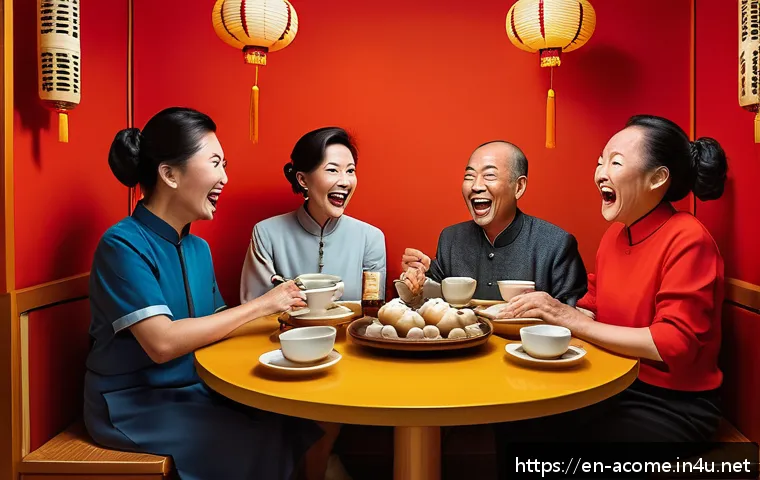
I’ve found myself rooting for these characters while laughing at their missteps, which creates a warm connection. The humor becomes a tool for empowerment, showing that laughter can be a powerful form of resilience.
Reflecting Rapid Social Changes
Hong Kong’s fast-paced society and evolving cultural landscape are often mirrored in its comedies. These films capture the tension between tradition and modernity, urban chaos, and personal struggles with a comedic lens.
Watching these stories unfold, I sense a deep understanding of the city’s soul, expressed through humor that both critiques and celebrates its complexities.
This dynamic reflection keeps the genre relevant and relatable to contemporary audiences.
How Hong Kong Comedy Influences Global Filmmaking
Inspiring International Directors and Styles
Many filmmakers around the world have drawn inspiration from Hong Kong’s comedic techniques, particularly its blend of action and humor. Directors like Edgar Wright and Taika Waititi have cited Hong Kong cinema as a key influence on their work.
I’ve noticed elements like quick pacing, physical comedy, and inventive fight choreography appearing in Western films, showing how these styles travel across cultures.
This cross-pollination enriches global cinema, making Hong Kong’s impact undeniable.
Fostering Cross-Genre Experimentation
Hong Kong comedies often mix genres—action, romance, thriller, and fantasy—with humor. This approach has encouraged filmmakers worldwide to experiment with blending tones and styles.
From my experience, this genre fluidity keeps stories fresh and surprising, preventing audiences from feeling boxed into one type of narrative. The success of these hybrids demonstrates how comedy can be a versatile tool in storytelling beyond just laughs.
Creating a Cult Following and Nostalgia
Thanks to streaming services, a new generation of viewers is discovering Hong Kong comedy classics, fueling a cult following. I’ve seen online communities passionately discuss favorite films, share memes, and celebrate the unique humor that these movies offer.
This nostalgia-driven revival not only preserves the legacy but also sparks new creative energy in filmmaking. It’s exciting to witness how these films continue to inspire and entertain across generations.
| Aspect | Characteristic | Example | Audience Impact |
|---|---|---|---|
| Timing | Deliberate pacing with pauses | Stephen Chow’s “Shaolin Soccer” | Builds anticipation, enhances laughter |
| Characters | Exaggerated yet relatable | Bumbling sidekicks in “Kung Fu Hustle” | Creates empathy and humor |
| Language | Puns and wordplay | Use of Cantonese slang | Layered humor for locals and foreigners |
| Physical Comedy | Exaggerated expressions and stunts | Slapstick fight scenes | Universal appeal beyond language |
| Social Commentary | Light-hearted satire | Critique of bureaucracy | Engages viewers thoughtfully |
| Global Influence | Cross-genre blending | Action-comedy hybrids | Inspires international filmmakers |
Why the Humor Resonates Across Cultures
Universality of Human Foibles
At the core, Hong Kong comedy taps into universal human flaws—pride, jealousy, awkwardness—that everyone can relate to. It’s not just about cultural specifics but about recognizing ourselves in the exaggerated characters and situations.
This connection is why I’ve seen people from all over the world laugh at the same scenes, even if they don’t share the same background. The humor feels personal and familiar, crossing cultural divides with ease.
Visual Storytelling That Speaks Volumes
Since some jokes rely on physicality and visuals, they transcend language barriers. Watching the exaggerated reactions or the chaotic chase sequences, the humor is immediately understandable and enjoyable.
This visual emphasis means even non-Cantonese speakers can appreciate the comedy without missing out. It’s a powerful reminder that laughter often doesn’t need words to be shared.
Embracing Imperfection and Absurdity
Hong Kong humor embraces chaos and imperfection, which feels refreshing in a world often obsessed with polished perfection. The films celebrate the absurdity of life, showing that it’s okay to be silly or flawed.
This message resonates deeply with me and many viewers, offering both comic relief and a comforting reminder to not take ourselves too seriously. It’s a humor that uplifts by embracing life’s unpredictability.
Enduring Appeal in the Digital Age
Accessibility Through Streaming Platforms
The rise of streaming services has made Hong Kong comedies more accessible than ever. I’ve personally discovered gems that were hard to find before, with subtitles and restored versions allowing a wider audience to enjoy them.
This accessibility fuels renewed interest and helps preserve these films for future generations. It’s exciting to see how technology is giving new life to classic humor styles.
Community Engagement and Online Discussions
Social media and online forums create spaces where fans can share their love for Hong Kong comedy, analyze jokes, and recommend films. These communities enhance the viewing experience by adding layers of interpretation and connection.
Being part of such groups has deepened my appreciation, as hearing others’ perspectives often reveals new insights. This interactive engagement keeps the humor alive and evolving.
Inspiring New Creators and Content
The current digital landscape also encourages creators to remix and pay homage to Hong Kong comedic styles through short videos, memes, and fan art. This creative recycling introduces the humor to younger audiences in formats they enjoy.
Watching these new interpretations, I feel the spirit of Hong Kong comedy continues to thrive, adapting to modern tastes while honoring tradition.
Conclusion
Hong Kong comedy masterfully blends timing, character, and cultural nuance to create a unique humor experience that resonates globally. Its ability to balance wit, physical comedy, and social commentary makes it both entertaining and meaningful. Whether you’re a longtime fan or a newcomer, these films offer laughter that feels fresh and heartfelt. Exploring this genre has deepened my appreciation for how humor can connect people across cultures.
Helpful Information to Know
1. Hong Kong comedies often use deliberate pacing to build anticipation, enhancing the impact of jokes and making the humor more rewarding.
2. Characters are crafted with exaggerated traits but remain relatable, which invites empathy and enriches the comedic experience.
3. Language play, especially puns and slang, adds layers of humor that appeal to both local audiences and international viewers.
4. Physical comedy, including expressive gestures and inventive use of props, provides universal laughs that transcend language barriers.
5. Many films incorporate social commentary subtly, using humor to engage viewers in meaningful reflection without diminishing entertainment value.
Key Takeaways
Understanding Hong Kong comedy means appreciating its precise timing, dynamic characters, and clever blending of verbal and physical humor. Its use of cultural references and social satire adds depth, while its global influence highlights its artistic importance. Most importantly, this comedy style thrives on embracing imperfection and unpredictability, offering a warm, inclusive laughter that crosses cultural boundaries effortlessly.
Frequently Asked Questions (FAQ) 📖
Q: What makes Hong Kong comedy films stand out from other international comedies?
A: Hong Kong comedy films have a unique blend of sharp wit, physical slapstick, and cultural nuances that you rarely find all together in one place. Unlike many Western comedies that focus heavily on dialogue or situational humor, Hong Kong movies often combine fast-paced action with quirky character interactions and social satire.
This mix creates a dynamic and unpredictable humor style that feels fresh and engaging. Plus, the way these films reflect local traditions while experimenting with modern storytelling gives them a distinct charm that resonates globally.
Q: Why do Hong Kong comedies often include slapstick humor alongside clever social commentary?
A: Slapstick humor in Hong Kong comedies serves as an accessible entry point for all audiences, breaking language and cultural barriers with physical comedy that’s universally funny.
At the same time, filmmakers layer in sharp social commentary to provide depth and provoke thought, often poking fun at societal norms or political issues.
This balance means viewers can enjoy a laugh on the surface while also appreciating the film’s critique of real-world topics. Experiencing this firsthand, I’ve noticed it makes the humor feel both lighthearted and meaningful, which is a rare and effective combination.
Q: How have streaming platforms influenced the global popularity of Hong Kong comedy films?
A: Streaming platforms have been a game-changer by making both classic and contemporary Hong Kong comedies easily accessible to international audiences. Before, many of these films were hard to find outside their home region, but now anyone with an internet connection can discover them.
This accessibility has sparked renewed interest and appreciation, especially among younger viewers who might not have encountered this genre otherwise.
From my own experience, watching these movies on streaming services has led to lively discussions with friends about cultural differences and humor styles, showing just how much these films can connect people across the world.




Contents
Top Must-See Vir Das Performances That Will Redefine Your Comedy Experience