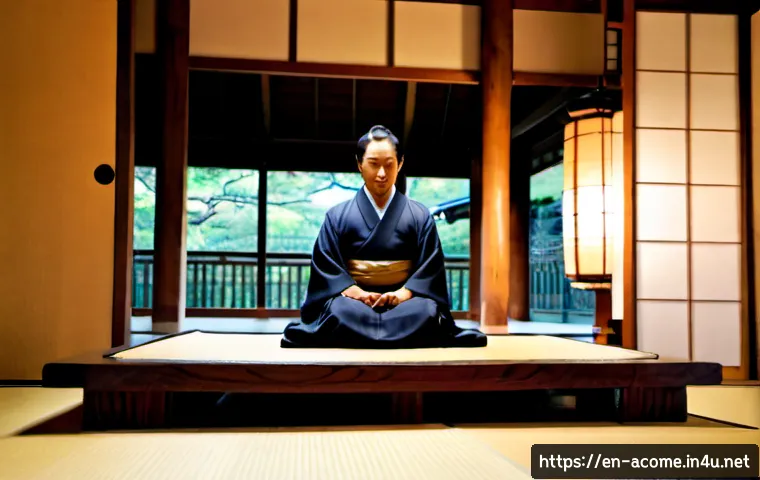
Rakugo took shape over time from Buddhist teaching anecdotes, popular oral tales, and humorous literary storytelling, becoming a professional urban performance art during Japan’s Edo period.
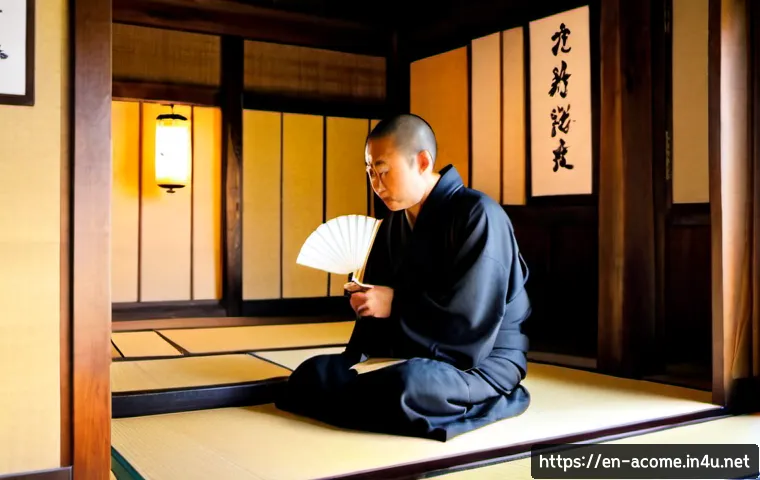
There is no single confirmed founder or exact starting date, but Edo and the Osaka-Kyoto region were central to its development. Today, one seated performer can create an entire comic world with only voice, posture, a folding fan, and a small cloth.
A live performance can be rewarding for travelers, although Japanese-language context may strongly affect how much of the humor is accessible. For a first experience, compare language support, venue format, and whether you prefer history, a guided introduction, or a traditional yose theater atmosphere.
At a Glance
- Rakugo developed through overlapping religious, literary, and urban entertainment traditions rather than from one single source.
- It became increasingly professionalized during the Edo period, especially in Edo and the Osaka-Kyoto region.
- Before choosing a ticket or resource, check language support, performance format, and booking terms.
| Option | Best For | What to Check First |
|---|---|---|
| Live yose performance | Travelers who want a traditional theater setting | Japanese-language level, program format, location, accessibility, and ticket conditions |
| English-guided cultural program | First-time visitors who want historical context alongside the performance | Whether explanations are included and how much of the event is performed in Japanese |
| Translated story collection | Readers focused on plots, historical roots, and recurring comic situations | Whether the edition provides cultural notes or performance context |
| Recorded performance | Viewers who want to pause, rewatch, or seek subtitles or commentary | Subtitle availability, translation quality, and whether the recording identifies the story |
The Short Answer: How a Seated Comic Art Took Shape in Japan
Rakugo is a Japanese comic storytelling art in which one performer usually stays seated while portraying several characters. The performer changes voice, posture, and direction of the face or body to suggest who is speaking. The result may look simple at first, but the form relies on precise storytelling choices and the audience’s imagination.
Its history is best understood as a process rather than a single invention. Buddhist sermon anecdotes, oral comic tales, educated storytellers, literary collections, and growing urban entertainment all contributed to the tradition. This matters for beginners because rakugo is not only comedy; it also preserves ways of speaking, social observation, and storytelling developed over generations.
From Oral Anecdotes to a Recognizable Performance Tradition
Early rakugo influences included humorous anecdotes told in religious and social settings, as well as popular oral tales shared for entertainment. These stories could be short, memorable, and built around a punch line, misunderstanding, or reversal. Over time, performers developed ways to shape such material for an audience listening to a single storyteller.
Anrakuan Sakuden’s Seisuishō, a 1623 collection of anecdotes, is often discussed as an important early source for stories that later entered rakugo traditions. It should not be treated as proof of one simple starting point. Instead, it helps show how written anecdote collections and oral performance could overlap.
Why the Edo Period Mattered for Professional Storytellers
The Edo period was important because rakugo became increasingly professionalized in urban Japan. Storytellers could perform for city audiences in Edo, present-day Tokyo, and in the Osaka-Kyoto region. As regular performance settings developed, performers could build repertoires, refine delivery, and establish recognizable conventions.
Yose theaters became important venues for regular rakugo programming. They remain strongly associated with the art today. For a cultural traveler, this connection between an old storytelling form and a continuing live venue is often one of the strongest reasons to attend a performance rather than only read about rakugo.
The Main Roots Behind Early Rakugo
Rakugo has several roots, and separating them makes its history easier to understand. Religious storytelling helped shape the use of instructive and humorous anecdotes. Literary collections preserved story material. Urban entertainment created the conditions in which professional performers could develop a public career. None of these roots alone fully explains rakugo.
Buddhist Teaching Tales and Humorous Sermon Traditions
Buddhist sermon anecdotes are among the early influences often connected with rakugo. A humorous story can hold attention, make an idea memorable, or reveal human weakness without requiring a long argument. Such tales helped establish a tradition in which comedy and observation could sit together.
That does not mean all rakugo began as religious teaching. It is more accurate to say that religious storytelling was one stream feeding into a broader culture of oral narrative. A beginner who expects only spiritual or moral stories may miss the wide range of comic situations that rakugo later embraced.
Literary Anecdote Collections and Storytellers’ Repertoires
Written anecdote collections gave storytellers material that could be remembered, adapted, and performed. Seisuishō is especially relevant because it is frequently mentioned when discussing stories that later moved into rakugo traditions. A written story, however, is not yet a rakugo performance. The performer’s pacing, character shifts, pauses, and ending all transform it for a live audience.
For readers interested in historical origins, a translated story collection can be a useful starting resource. It allows time to follow the plot and notice how a comic premise works. Look for editions that clarify cultural references or give performance background, since a bare translation may not explain why a particular exchange is funny.
Urban Audiences, Merchants, and Popular Entertainment
As rakugo developed in urban Japan, it became part of a broader popular entertainment environment. City audiences supported regular performances, and professional storytellers could cultivate established repertoires. The art’s compact format also suited an audience ready to recognize stock situations, social types, and everyday misunderstandings.
The important point is not to imagine Edo-period audiences as identical to modern ones. Contemporary listeners may need more context for language, customs, or references that an earlier audience understood quickly. That is why a guided cultural experience or a performance with explanation can be a practical choice for visitors.
Edo and Kamigata: Two Traditions, Different Listening Experiences
Rakugo developed distinct traditions in Edo and in the Osaka-Kyoto region, commonly called Kamigata. These traditions differ in repertoire, language patterns, performance customs, and stage conventions. Neither is automatically better for a beginner; the more useful question is what type of introduction and language support are available.
Tokyo-Centered Edo Style and Osaka-Kyoto Kamigata Style
Edo rakugo is associated with the Tokyo-centered tradition, while Kamigata rakugo belongs to the Osaka-Kyoto regional sphere. Their separate histories contributed to different storytelling habits and different bodies of stories. A program description may identify the tradition, but it may not explain how accessible the performance will be to a non-Japanese speaker.
If you are choosing between events, use the regional label as context rather than as a promise about difficulty or quality. A well-explained event in either tradition may be easier to follow than an unintroduced performance in the style you expected to prefer.
What Language, Pacing, and Stage Conventions Can Mean for Beginners
Rakugo depends heavily on spoken language. Wordplay, dialect, rhythm, and shifts between characters can carry much of the humor. This is why a visitor should not assume that a traditional performance will be fully understandable simply because the physical staging is minimal.
Language support is the key selection criterion. Check whether an event offers an English explanation, subtitles, printed notes, or another form of assistance. Availability varies by venue, city, and performer. If no support is listed, a recorded performance or translated material may offer a clearer first encounter.
How Rakugo Works on Stage—and What New Viewers Often Miss
Rakugo asks the audience to participate through imagination. There are usually no costume changes, elaborate sets, or scene changes to identify a character or location. Instead, the performer creates the scene through controlled physical detail and storytelling rhythm.
The Fan, Cloth, and Seated Performance Format
A rakugo performer usually remains seated and traditionally uses a folding fan and a tenugui cloth. These small props can stand in for many things: chopsticks, a pipe, a letter, or a cup. Their meaning changes through gesture and context.
This economy is part of the appeal. The audience is not watching an object become something else through stage machinery. It is watching the performer establish an object through suggestion. First-time viewers often enjoy the moment when a familiar prop suddenly becomes part of an entirely different scene.
Character Changes Without Costumes or Scene Changes
One performer may portray multiple characters by changing voice, posture, and small directions of the body. A turn of the head can indicate a different speaker. A pause or altered tone can suggest status, personality, or mood. These choices are central to the form, not decorative extras.
For viewers new to Japanese-language performance, it can help to watch the physical transitions even when every line is not understood. You may be able to follow who is speaking and how a misunderstanding develops before you catch the full verbal joke.
Common First-Time Viewing Mistakes to Avoid
The most common mistake is expecting every live rakugo event to provide English subtitles or explanations. They are not standard everywhere. Another mistake is assuming that a short program means an easy program; language density and cultural reference can still make a story challenging.
It is also worth avoiding the idea that props or movement are missing. Rakugo’s restraint is deliberate. Pay attention to the fan, cloth, body angle, and vocal shift. Those details are often doing the work that costumes, scenery, and multiple actors would do in another theater form.
Choosing a First Rakugo Resource or Performance
Your best first rakugo choice depends on what you want most: atmosphere, historical understanding, language accessibility, or flexibility. A live ticket can offer immediacy and a direct connection to yose culture. A guided program, translated book, or recorded performance may provide more context before or after that visit.
Live Yose Theater Versus a Guided Cultural Program
Choose a live yose performance if your priority is seeing rakugo in a venue associated with regular storytelling programs. This option may suit travelers who are comfortable encountering a performance primarily in Japanese and who value the shared audience experience.
Choose an English-guided cultural program if you want help identifying the form’s conventions, historical background, or basic story structure. Before booking, compare what the guide explains, whether a full performance is included, and what language the storyteller uses. These details can vary.
When Translated Books or Subtitled Recordings Are the Better Option
A translated collection may be better for readers who want to understand classic stories before hearing them performed. It can also help you recognize recurring comic patterns and historical settings at your own pace. Recorded material can be useful when subtitles or explanatory commentary are available, because you can revisit a difficult moment.
Neither format replaces the atmosphere of live rakugo, but both can make a later theater visit more rewarding. They are especially practical for viewers who do not speak Japanese or who cannot confirm language assistance for a particular event.
Booking Checks: Language Support, Duration, Location, and Cancellation Terms
Before reserving a live performance or cultural tour, check four basics: language support, duration, location, and cancellation terms. Also confirm the venue format and any accessibility information that matters to you. Do not assume that an event advertised as traditional is automatically designed for international visitors.
For tickets, tours, books, or recordings, read the official description carefully. The most useful information is often practical: what the program includes, what language is used, where it takes place, and what booking conditions apply.
Selection Criteria and Comparison Summary
History-focused readers may start with a translated story collection or recorded introduction that explains Buddhist anecdotes, literary sources, and Edo-period professionalization. Travelers seeking a live cultural experience may prefer a yose ticket after checking the venue format and language situation. Viewers new to Japanese-language performance may get more from an English-guided program or a recording with subtitles or commentary.
Before deciding, compare language assistance, live versus self-paced format, historical explanation, location, and booking or cancellation conditions. For the clearest choice, review official event information and the detailed conditions on the relevant ticket, program, book, or recording page.
In Closing
Rakugo did not emerge from one isolated moment or one confirmed founder. It grew from interconnected practices of religious anecdote, literary storytelling, and urban entertainment before becoming a professional performance tradition in the Edo period. Its minimal stage format is also its strength: one seated performer can create a lively cast and setting through voice, posture, and a few props. For newcomers, a little context can turn a distant-looking tradition into an engaging live art.
Useful Things to Know
First: A folding fan and tenugui can represent many objects, so watch how the performer uses them. Second: Edo and Kamigata are distinct traditions with different repertoires, language patterns, and conventions. Third: Classical stories continue to be performed, while contemporary performers may create new material. Fourth: Yose theaters remain closely connected with regular rakugo programming.
Important Notes
The exact single founder and precise starting date of rakugo cannot be stated with certainty. It developed through overlapping oral, religious, literary, and entertainment traditions. Individual venues and performances vary in availability, ticket terms, accessibility, language support, and program format. Confirm whether English subtitles or explanations are offered before making a booking.
Frequently Asked Questions
Q1. Did rakugo begin as Buddhist storytelling?
A1. Buddhist sermon anecdotes were an important early influence, especially traditions using memorable or humorous tales. However, rakugo did not come from one source alone. Popular oral stories, literary anecdote collections, and urban entertainment also contributed to its development.
Q2. Is a live rakugo performance suitable for visitors who do not speak Japanese?
A2. It can be, particularly for viewers interested in live Japanese performing arts and physical storytelling. However, English subtitles or explanations are not standard at every event. Confirm language support before booking, or consider a guided introduction, translated collection, or subtitled recording first.
Q3. Should beginners choose an Edo-style or Kamigata-style performance first?
A3. Either tradition can be a worthwhile introduction. Edo and Kamigata have different repertoires, language patterns, and stage conventions, but the most practical choice for beginners is usually the event with clearer explanation, suitable language support, and a format that matches their interests.


Contents
Top Must-See Vir Das Performances That Will Redefine Your Comedy Experience