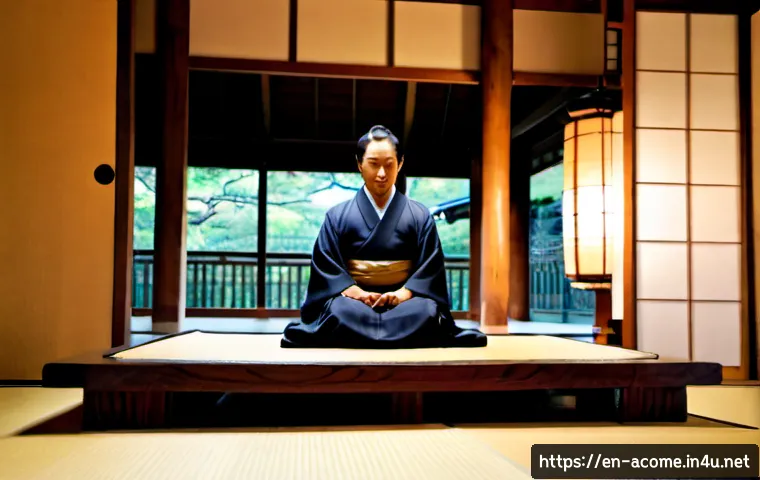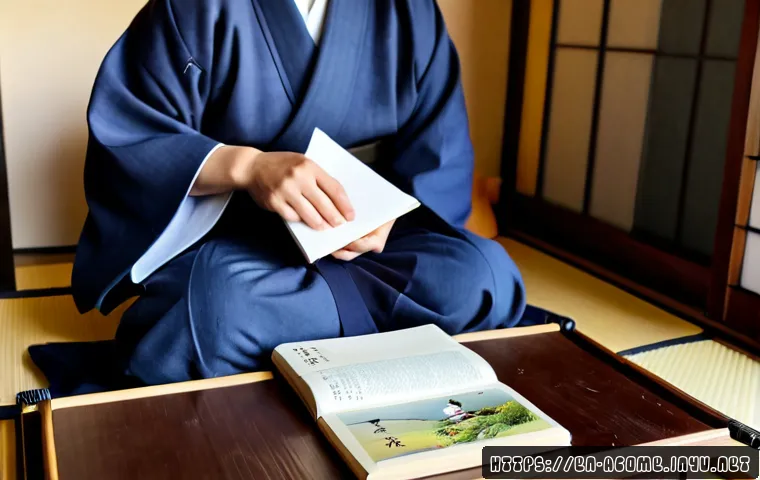
A beginner book is the best first choice if you want structure and cultural background, while recordings and coaching become more useful when you need to hear timing or receive feedback.
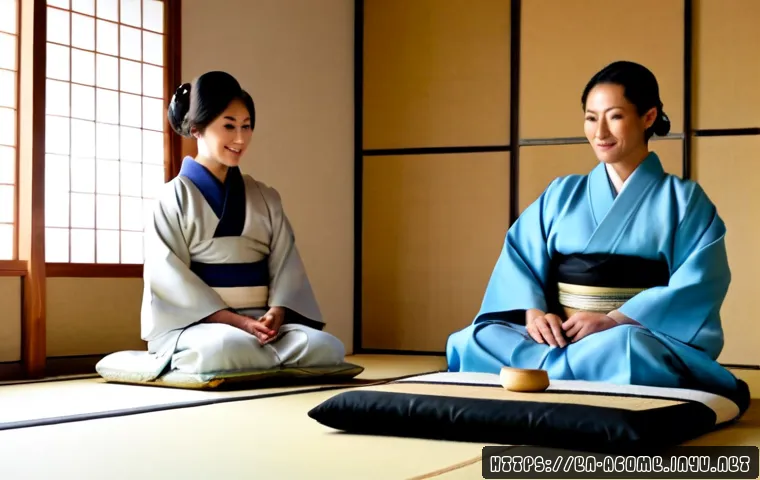
You can begin rakugo without acting experience, but your first resource should explain the seated format, character changes, and the ending rather than only providing a script.
Rakugo is a traditional Japanese comic storytelling art performed by one seated storyteller. The performer commonly uses a folding fan and a hand towel as flexible props while switching among characters through voice, gaze, posture, and pauses.
English-language materials can make the form easier to understand, while Japanese-language sources may offer closer contact with the language and performance tradition.
The right book, online course, recording, or workshop depends on your Japanese ability, budget, and need for personal guidance.
At a Glance
- Start with a beginner book if you need a clear explanation of rakugo structure and cultural context.
- Add recordings when you need to hear rhythm, character shifts, pronunciation, and punchline timing.
- Consider a class or workshop when feedback, accountability, and coached performance practice matter most.
| Learning Option | Relative Cost | Feedback Level | Language Requirement | Best For |
|---|---|---|---|---|
| Beginner book | Usually lower than live instruction | None unless paired with a teacher | English or Japanese, depending on the title | Readers who want structure and background |
| Audio or video recordings | Varies by source and access | Indirect self-review | Japanese listening can be helpful | Learners studying rhythm and delivery |
| Online class or private lesson | Usually higher than self-study materials | Direct feedback | Depends on the instructor and course format | Learners who need correction and accountability |
| Group workshop | Varies by organizer and format | Shared practice and possible coaching | Check the workshop language before enrolling | People who learn best by performing with others |
What a Beginner Needs to Learn First
The Seated Storytelling Format, Fan, Towel, and Character Changes
Rakugo is not simply a funny speech told from a chair. It is a single-performer storytelling form in which one seated storyteller presents a scene with several characters. Instead of changing costumes or walking across a stage, the performer commonly uses a sensu, or folding fan, and a tenugui, or hand towel, as versatile props.
The fan and towel do not need to be handled as literal objects in every moment. Their value comes from clear suggestion. A fan may support one action in a scene, while a slight shift in posture or eye line can establish a different character. Start by noticing how little movement is needed when the performer’s choices are precise.
Why Timing and Listening Matter More Than Memorizing a Script
A rakugo story often builds toward an ochi, the punchline or ending. That means the route to the final line matters as much as the final line itself. If you memorize words before understanding who is speaking, where each person is looking, and when a pause belongs, the story can sound flat.
Listening practice gives you a model for pace, contrast, and silence. A beginner book can explain terminology and story structure, but audio or video recordings show how timing changes the meaning of a line. Use both when possible: read for understanding, then listen for performance choices.
A Simple First-Month Practice Goal
Choose one short story segment rather than trying to master a full repertoire immediately. Your goal is not public performance. Your goal is to identify the characters, understand the basic situation, locate the ending, and tell the segment clearly while staying seated.
Practice a small number of deliberate choices: one eye-line direction for each character, one posture contrast, and a few meaningful pauses. Keep the fan and towel simple at first. Clear storytelling is more useful than complicated gestures.
Compare Beginner Books, Recordings, Classes, and Workshops
What a Book Can Teach Well—and Where It Falls Short
A good rakugo beginner book can introduce the history, vocabulary, seated format, classic and newer works, and the logic of character switching. It is especially useful for English-speaking learners who need cultural context before attempting a Japanese script or performance recording.
However, a book cannot fully demonstrate vocal pace, gaze direction, or the feeling of an ochi landing with an audience. Look for a learning resource that includes performance examples, clear explanations of Japanese terms, and context for how stories are traditionally presented. If a title provides only a translated script, treat it as reading material rather than a complete performance course.
When Video or Audio Recordings Are Worth Adding
Recordings are valuable when your main challenge is rhythm, pronunciation, or timing. Watch and listen actively. Do not only enjoy the story; map the performer’s character switches. Notice whether the storyteller changes gaze direction, voice quality, posture, or pause length.
For learners studying Japanese, recordings can also support language study. Still, avoid copying sounds you do not understand. A phrase may carry a relationship, social setting, or comic setup that is not obvious from the sound alone. Use translations, notes, or language support to confirm meaning before performing it.
When Paid Lessons or Workshops Offer Better Value
Paid coaching can be worthwhile when you already understand the basics but cannot tell whether your delivery is clear. A teacher may notice unclear character positions, unnecessary hand movement, a rushed ending, or a pause that arrives too late. This kind of feedback is difficult to create through self-study alone.
A group workshop may suit learners who want a shared practice setting. A private lesson may suit someone working on a specific story, language issue, or performance habit. Before booking an online course, class, or workshop, check the teaching language, lesson format, feedback method, and whether the material matches your current Japanese ability.
How to Choose a Good First Learning Resource
English-Language Explanation Versus Japanese-Language Source Material
Choose an English-language book or course if your priority is understanding the form without struggling through every word. It can help you learn what makes rakugo different from stand-up comedy, theater, or a spoken monologue.
Choose Japanese-language material when you can study the language carefully and want closer access to performance wording and listening practice. This path can be rewarding, but it often requires more than memorizing sounds. If your Japanese is still developing, pair source material with explanations you can fully understand.
Translation Quality, Cultural Context, and Performance Examples
A useful beginner resource should explain more than plot. Look for discussion of character relationships, comic setup, the ochi, and how a seated storyteller creates scenes without costume changes. Performance examples are especially helpful because rakugo depends on choices that are hard to describe on the page.
Be cautious with materials that promise a fast path to “perform like a professional” without addressing listening, language, or feedback. Traditional repertoire includes classic stories and newer works, and each story may require context that a short script summary cannot provide.
Budget, Access, and Feedback Checklist
Before purchasing a book, enrolling in an online class, or joining a workshop, ask these questions:
- Does it explain how character changes work, not only provide text?
- Does it include recordings, video examples, or clear listening recommendations?
- Is the teaching language suitable for my current Japanese ability?
- Can I receive useful feedback, or am I comfortable with self-review?
- Does the resource provide cultural context for the story and its humor?
A Practical Self-Study Routine for Your First Story
Listen, Map the Characters, and Identify the Ending

Begin by listening to a story or selected segment more than once. On the first listen, follow the basic situation. On the next listen, write down each character and assign a simple note: where they look, how they sit, and how their voice differs. Then identify the ochi and ask what information the audience needs before it can work.
This process prevents a common beginner problem: reciting lines without knowing why they are funny or who they are aimed at.
Practice Voice Direction, Eye Line, Gestures, and Pauses
Keep your physical plan modest. Decide where one character sits in your imaginary space and where another character sits. Turn your gaze consistently when the speaker changes. Use posture and voice as support, not as a collection of exaggerated impressions.
For props, choose only actions that clarify the story. The sensu and tenugui are flexible tools, but a gesture should serve the scene. Too many literal prop actions can distract from the words and timing.
Record Short Rehearsals and Review Without Overcorrecting
Record a short rehearsal and review one category at a time. First check whether character changes are understandable. Next check whether you rushed important pauses. Then review whether your gestures remain clear while seated.
Do not rebuild every choice after each recording. Change one or two things, rehearse again, and compare. If you reach a point where you cannot identify what is unclear, that is a good time to consider a rakugo class, private lesson, or workshop with performance feedback.
Common Beginner Mistakes and How to Avoid Them
Treating Rakugo as Stand-Up Comedy or a Theatrical Monologue
Rakugo can be comic, but it is not built around constant direct commentary to the audience. It is also not a full-stage monologue. The seated format, the imagined space, and the switches between characters are central to the form. Let the story’s situation create the comedy instead of adding unrelated jokes.
Using Props Too Literally or Adding Unnecessary Movement
A folding fan and hand towel can suggest many objects, but their strength is economy. Avoid turning every action into a large mime sequence. A small, consistent gesture is often easier for an audience to follow than a busy series of movements.
Performing Words You Do Not Fully Understand
This is especially important for learners working from Japanese recordings or scripts. Do not rely only on phonetic memorization. Check the meaning, character relationship, and setup before trying to deliver the line. Accurate understanding supports better timing and a more respectful approach to the material.
Selection Criteria and Comparison Summary
Choose a book if you need structure, terminology, cultural background, and a calm way to begin before performing. Choose recordings if you need models for rhythm, pronunciation, pauses, and character direction. Consider coaching if you want direct feedback, a regular practice commitment, or help turning a studied story into a clear performance.
Before choosing, confirm the resource language, the type of performance examples included, the feedback available, and whether the material explains the story rather than only presenting a script. For a course, workshop, or private lesson, check the official information page for current format, availability, instructor details, and participation conditions.
Closing Thoughts
The best way to start learning rakugo is to understand the form before trying to sound polished. A beginner book can give you that foundation, while recordings teach you what the page cannot show. Coaching becomes more valuable once you have a short segment to practice and specific questions about your delivery. Begin with one story section, listen closely, and build clarity before complexity.
Useful Things to Know
Rakugo repertoire includes classic and newer works. You do not need to assume that every learning path begins with the same story.
Listening is active study. Track eye line, posture, character voice, and pauses rather than only following the plot.
Feedback changes the value of a course. A live option may be most useful when it gives you specific performance correction.
Important Notes
No single book, translation, course, or workshop is automatically the best fit for every beginner. Current pricing, availability, lesson structure, and instructor qualifications should be checked directly before purchasing or enrolling. The time needed to feel ready to perform varies with language ability, practice habits, and access to feedback. If you plan to present a traditional story publicly, confirm any relevant cultural, language, or usage considerations with an appropriate instructor or organizer.
Frequently Asked Questions
Q1. Can I learn rakugo from a book if I do not speak Japanese?
A1. Yes, a book can be a strong starting point if it explains the seated storytelling format, character changes, props, and cultural context in English. However, recordings are still useful because timing, pauses, and gaze direction are difficult to learn from text alone. If you later work with Japanese-language stories, make sure you understand the words and situation rather than memorizing sounds.
Q2. How much should a beginner expect to spend on rakugo books, recordings, or classes?
A2. Costs vary by title, format, location, access method, and instructor. A book is generally a lower-commitment starting point than private coaching, while recordings, online courses, and workshops can vary widely. Compare what is included: cultural explanation, performance examples, feedback, and the number or format of lessons.
Q3. Is rakugo suitable for beginners with no acting or public-speaking experience?
A3. Yes. A beginner can start by listening, studying a short scene, and practicing simple character changes while seated. You do not need prior stage experience to learn the basics. Start with clear storytelling rather than trying to create a large theatrical performance, and consider coaching later if you want detailed feedback.